The Art and Practicality of Custom Hoodie Printing for Your Team or Business
Why Custom Hoodies Have Become a Staple
Hoodies have moved beyond just casual wear. They are now a standard piece of apparel for teams, businesses, and organizations. When you get into custom hoodie printing, you are not just making a piece of clothing. You are creating a uniform that people actually want to wear. I have seen this shift firsthand. A few years back, companies would order polo shirts for their staff, and those shirts would sit in closets. Hoodies, on the other hand, get worn. They get worn to the grocery store, to the gym, and on weekends. That is the power of a comfortable, well-designed garment.
The process of creating these garments involves more than just picking a color and a logo. It is about understanding the material, the printing method, and the end use. A hoodie for a construction crew needs different durability than one for a coffee shop. A hoodie for a charity run needs to be lightweight and breathable. These distinctions matter, and they are what separate a good order from a great one.
Understanding the Different Printing Methods
Not all custom hoodie printing is the same. The method you choose affects the look, feel, and longevity of the design. Screen printing is the most common for bulk orders. It involves pushing ink through a mesh stencil onto the fabric. This method is cost-effective for large quantities and gives a vibrant, durable finish. The ink sits on top of the fabric, which is why it can feel slightly raised at first. Over time, it softens and molds to the garment.
There is also embroidery, which is fantastic for a more professional look. A stitched logo on the chest or sleeve adds a texture that screen printing cannot match. It is also incredibly durable. I have seen embroidered hoodies last for years without the thread fraying or fading. The trade-off is that embroidery is not ideal for complex designs with many colors. For a simple company logo or a team crest, it is hard to beat.
For smaller runs or designs with many colors, direct-to-garment (DTG) printing is a good option. Think of it like a high-end inkjet printer that prints directly onto the fabric. It allows for photographic detail and gradients. The downside is that it is slower and more expensive per piece, so it is not the best choice for orders over a hundred units. I have used all three methods for different projects, and each has its place.
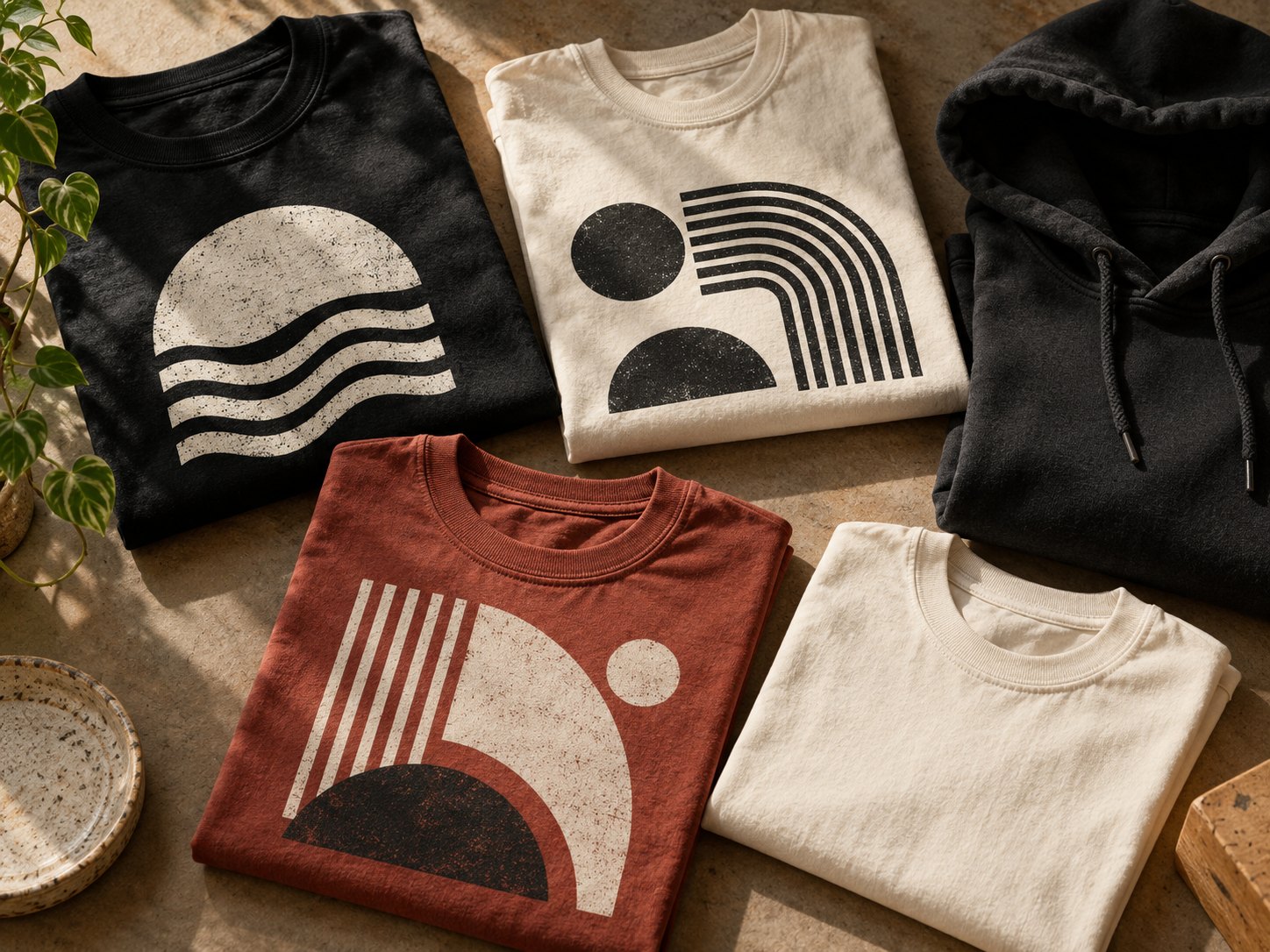
Choosing the Right Hoodie Blank
The blank is the foundation of the entire project. You can have the best design in the world, but if the hoodie itself is thin, scratchy, or shrinks after one wash, the project is a failure. I always tell people to order samples before committing to a bulk order. Feel the fabric. Check the seams. Look at the stitching on the hood and the cuffs. A high-quality blank usually has a heavier weight, around 8 to 10 ounces per square yard. That weight indicates a denser weave that will hold its shape.
Connect with us on Instagram.
Cotton is the most popular choice for its softness and breathability. A cotton-polyester blend is a close second because it resists shrinking and wicks moisture better. For outdoor work or sports teams, a performance blend with spandex might be the right call. The wrong choice here leads to returns and unhappy customers. I have seen a company order a cheap blank to save money, only to have the hoodies pill and fade within a month. They ended up spending more on replacements than they saved on the initial order.
Design Considerations for Maximum Impact
Design for a hoodie is different than design for a t-shirt. Hoodies have more surface area, but they also have seams, pockets, and a hood that can interfere with a print. A common mistake is placing a design too low on the back, which gets covered by the hood when it is down. Another mistake is making the front design too small. A tiny logo on the left chest can look lost on a large hoodie. A larger center chest print or a bold back print usually works better.
Color contrast is also critical. A dark design on a dark hoodie is invisible from a distance. Light colors on dark backgrounds pop, but they require an underbase layer of white ink during screen printing. This adds to the cost but is necessary for opacity. I always recommend getting a proof or a mockup before production. Seeing the design on a digital version of the actual hoodie helps catch these issues early.
Order Quantities and Budget Realities
Budget is always a factor. Custom hoodie printing has a setup cost for screens or digitizing the embroidery file. That setup fee is the same whether you order twelve hoodies or twelve hundred. So the per-unit price drops significantly as the quantity goes up. For a small team or a local club, ordering 24 to 48 pieces is a sweet spot. It keeps the per-unit cost reasonable without overcommitting inventory.
For larger organizations, ordering in the hundreds makes sense. I worked with a company that ordered 500 hoodies for a product launch. They chose a two-color screen print on a mid-weight cotton-poly blend. The per-unit cost was under twenty dollars, which is excellent for a branded garment that people will keep for years. The key is to plan ahead. Rush orders add fees, and last-minute changes can throw off the entire schedule.
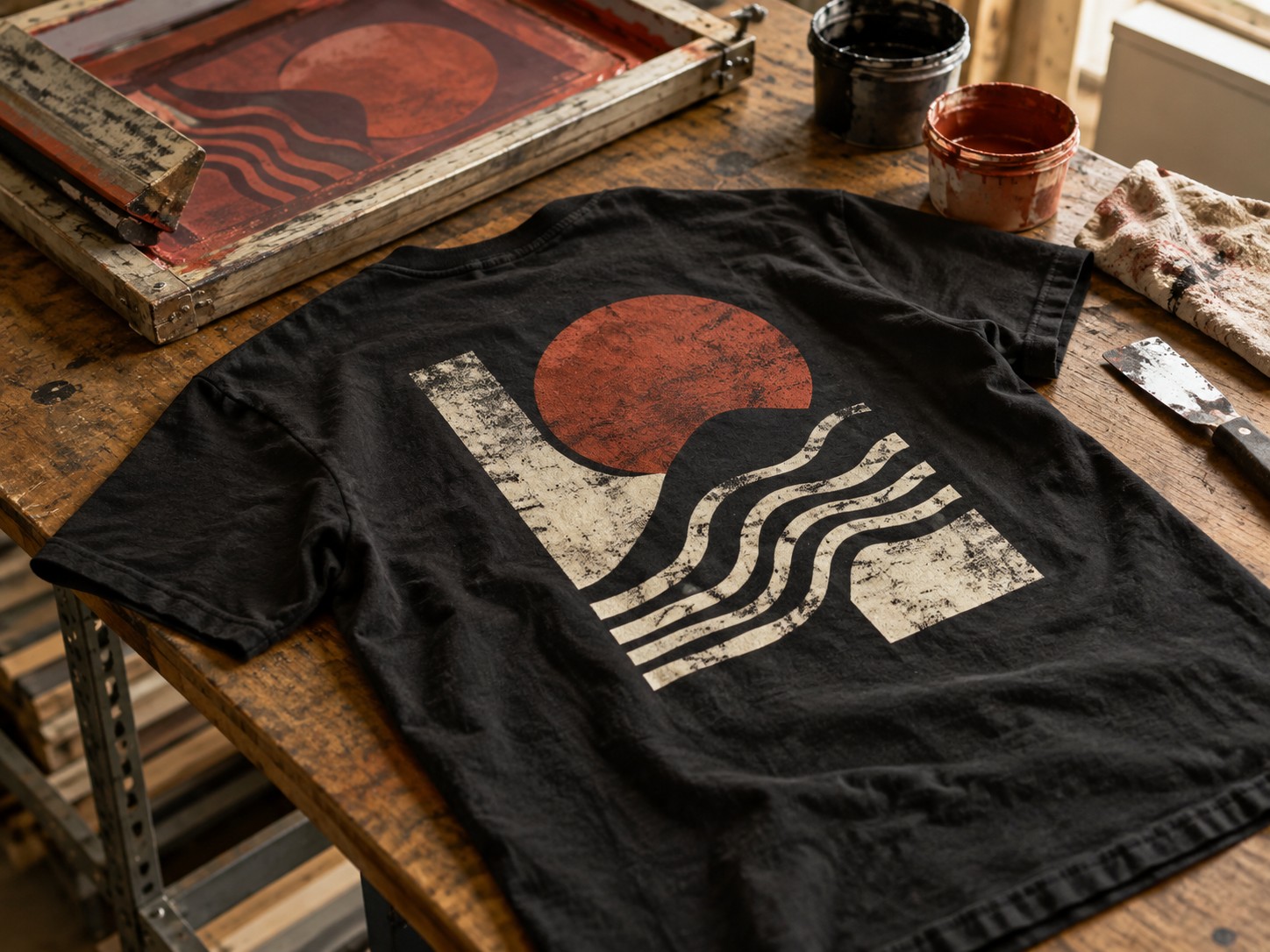
Practical Tips for Long-Lasting Results
Once you have your hoodies, care is important. Screen printed and embroidered garments last longer when washed inside out in cold water. Tumble drying on low or air drying is best. High heat breaks down the ink and the thread over time. I have seen perfectly good hoodies ruined by a single hot dryer cycle. It is worth including a small care card with the order.
Another practical tip is to order a few extras. Hoodies get lost, stained, or torn. Having a few spares means you can replace them without reordering a full batch. It also accounts for sizing mistakes. People often underestimate how hoodies fit. A large from one brand might fit like a medium from another. Offering a size exchange for the first week after delivery can save a lot of headaches.
Real-World Examples of Successful Projects
I recall a local sports team that ordered hoodies for their season. They went with a simple two-color screen print on the chest and a large team name on the back. The hoodies became a uniform that the players wore to practice and games. They even wore them on off days. That is the goal. When the garment becomes a part of someone's regular wardrobe, the branding works constantly.
For a small business, hoodies can serve as a mobile advertisement. A well-designed hoodie worn by an employee at a coffee shop or a hardware store gets seen by dozens of people every day. It is subtle marketing that does not feel intrusive. The key is making the hoodie something the wearer is proud to put on. That comes down to quality and design.
The Process from Start to Finish
The journey of custom hoodie printing usually starts with a conversation about the goal. Is this for an event, a uniform, or merchandise for sale? From there, we talk about the blank, the print method, and the design. A good printer will guide you through these choices and offer samples. They should also be honest about what works and what does not. I have had conversations where I advised a client against a certain color combination because it would not print well. That honesty builds trust.
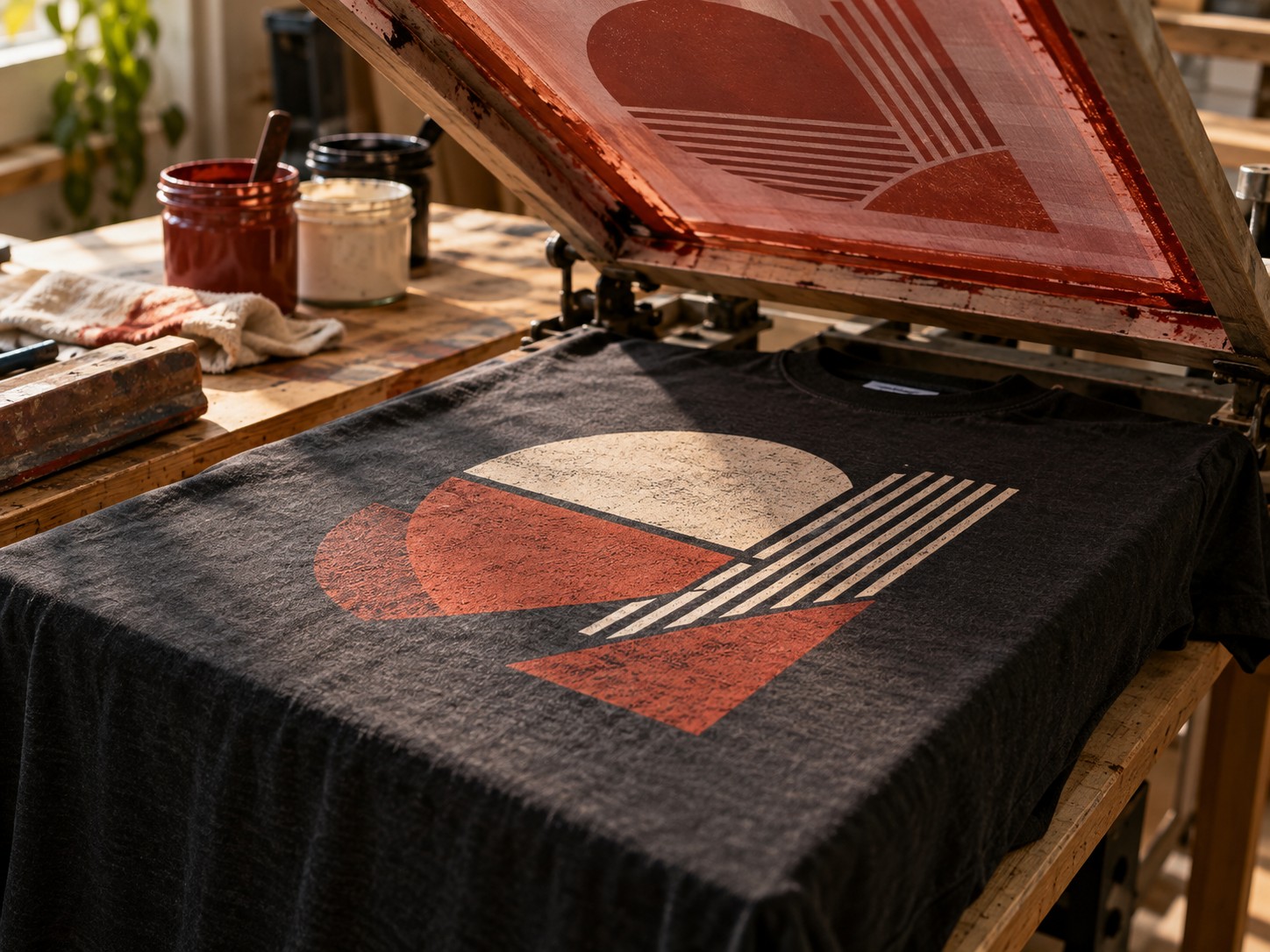
After the design is finalized, the production begins. Screen printing involves creating a screen for each color, which takes a day or two. The actual printing is fast once the screens are ready. Embroidery requires digitizing the design into a stitch file, which is then loaded into the machine. Both methods produce excellent results when done correctly. The final step is inspection and packaging. Every hoodie should be checked for flaws, loose threads, or misaligned prints.
At DSP Printing, located at 11611 Salinaz Dr Ste O, Garden Grove, CA 92843, USA, we provide custom screen printing and embroidered apparel services to businesses and organizations. You can reach us at +1 714-951-4919 to discuss your next project.